
Fig Leaves
Short thoughts on nudity in art

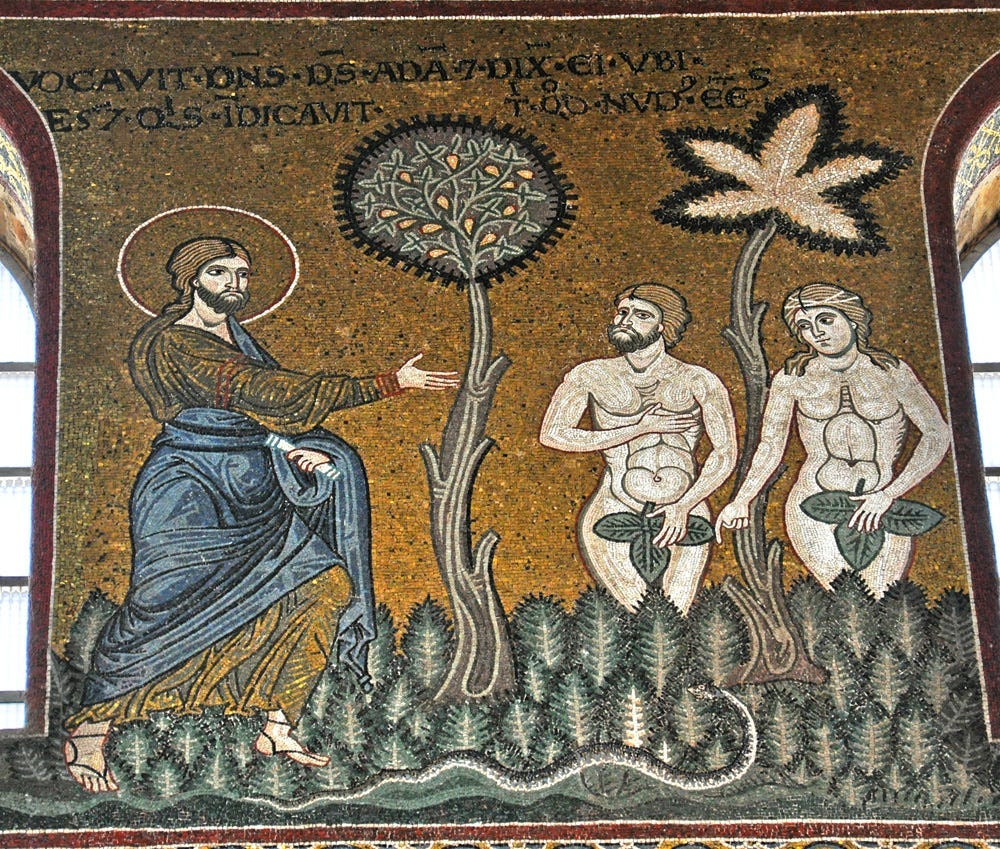
But the LORD God called out to the man, “Where are you?” “I heard Your voice in the garden,” he replied, “and I was afraid because I was naked; so I hid myself.” “Who told you that you were naked?” asked the LORD God. “Have you eaten from the tree of which I commanded you not to eat?” — From the Book of Genesis
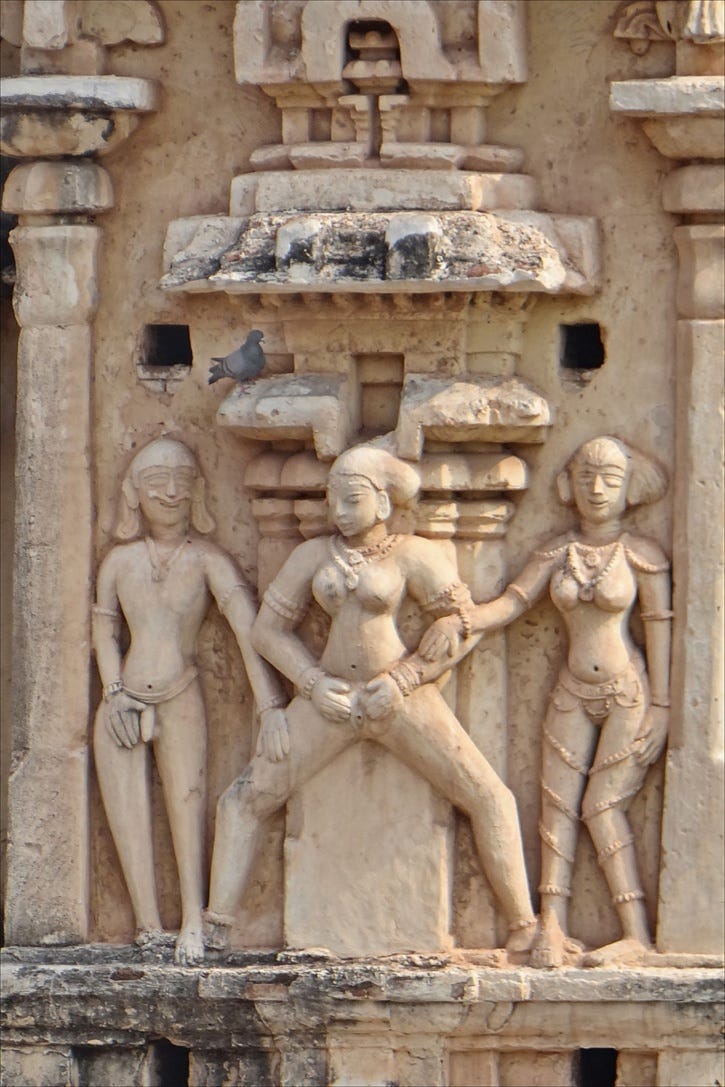
Such abundance of bodies was admired and sculptured during the times of the ancient Greeks and Romans. For longer than that, civilisations such as those of Japan also enjoyed the expression and portrayal of nudity and sex.
Then Christianity became the most predominant denominator of society. Even Adam and Eve appear to discover, during their development, that nudity was something to hide. It is now a sign of primitivity, an expression of sin, a reminder of everything dirty (think here urine and faeces) and perverted.
Shame becomes the most powerful and horrible of emotions.
Nudity, the work of the devil.
And we do have an inkling that Christianity may have been the driver of this nudity-shame relationship, as around the world, at the same time, things were quite different.
When Adam and Eve tried to conceal their spiritual shame, they instinctively covered their bodies. In the very Bible, when God removed their fig leaves, he covered them with a more durable hide of animal skin. We can here infer that Christians — the ones that wrote the word of God — and God himself saw clothing as something that was necessary in a world full of sin.
So in medieval and later art, the body was often no less than semi-nude: covered with leaves or drapes.
People do love the nude, and with the advent of neoclassicism and the rediscovery of the art of more ancient people, artists began to portray the naked body again. However, it was usually done for figures and characters who represented older, more natural times, such as scenes from Greek mythology or biblical characters, like the infamous David.
“Mark Twain quipped that “the statue that advertises its modesty with a fig leaf really brings its modesty under suspicion”, and there is something about a fig leaf that symbolises the kind of prurience, whereby a stream of prohibitions masks an obsession with sex.”— The Irish Times on the Apollo and Adonis
Before we fully rediscovered the beauty and naturality of the naked body as a form of art, artists had portrayed the human form under a — Foucault may say — scientia sexualis lens (instead of ars erotica).
The greatest example here would be the Vitruvian Man as drawn by master Leonardo Da Vinci.

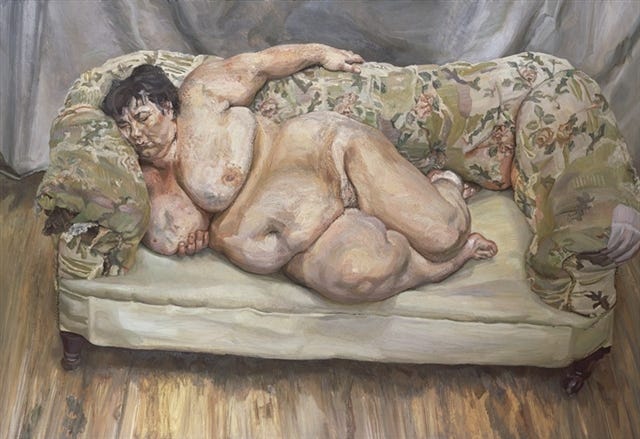
Excellent points. We also see many excellent nude paintings in the Victorian era as well, which has been often been labelled as more reserved and uptight.